
Troops, Loneliness and the Talk the Military Won't Have
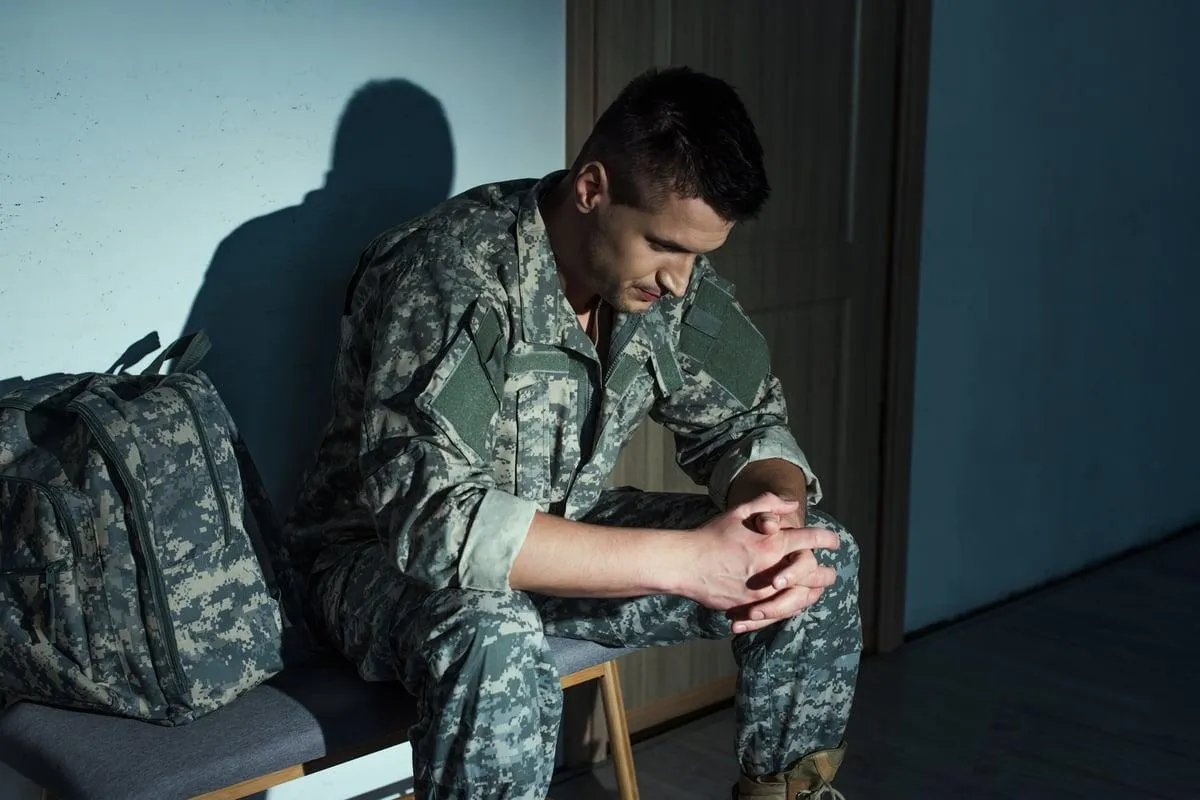
Troops, Loneliness and the Conversation the Military Won't Have
We send young people thousands of miles from home for months at a time, then act surprised that they're lonely. It's time to talk about it honestly.
Every deployment has the same quiet enemy, and it doesn't show up in any briefing.
It's loneliness. Months away from partners, families and every ordinary comfort of home. Long stretches of boredom broken by stress. Young people, most of them in their early twenties, living in close quarters with no privacy and no one to come home to at night.
Militaries talk about physical fitness, mental resilience and unit cohesion. They rarely talk about the simple human need for intimacy, and what happens when it goes unmet for a year.
Distance is part of the job. Loneliness doesn't have to be.
This isn't new. Armies have wrestled with it for as long as there have been armies.
During the First World War, the U.S. Army ran large public health campaigns warning soldiers about sexually transmitted infections, because so many were catching them overseas. During the Second World War, brothels on Honolulu's Hotel Street served huge numbers of servicemen with the quiet tolerance of military and local authorities, until they were shut down in 1944.
The pattern repeats across history and across countries. When you put large numbers of lonely young people far from home, they look for connection, and if there's no safe outlet, they find an unsafe one. Officially, the subject stays off the table. Unofficially, everyone knows.
Refusing to talk about loneliness doesn't make it disappear. It just pushes troops toward the riskiest options: unsafe encounters, exploitation of local people, debt, scams, and relationships back home that crack under the strain.
The honest question is not whether service members have needs. They do. The question is which outlets are safe, legal and fair to everyone involved.
Connection, without anyone getting hurt.
We'll be clear about what we're arguing for, and what we're not. We're not arguing for prostitution near bases. Paying for sex is illegal for U.S. service members under military law, and exploitation of local populations is a real harm.
What we are arguing is this: legal, private, online connection is one of the safest outlets a lonely service member has. Adult content and private chat with verified adults involve no physical risk, no exploitation of anyone, and nothing illegal. A conversation with a creator who chose to be there can take the edge off a long deployment without hurting a soul.
That's not a scandal. That's harm reduction.
If service members are going to look for connection online, and they are, they deserve platforms that treat them well:
- Verified adults only, so they know who they're talking to
- Discreet billing, because privacy is hard to come by on a base
- A child lock and instant lock, for anyone sharing devices with family back home
- Fair pay for creators, so nobody on the other side of the screen is being exploited
Respect on both sides of the screen.
Loneliness is part of military service. Pretending otherwise doesn't protect anyone. The military could start by naming the problem, and by recognizing that legal, private connection is far safer than the alternatives troops find on their own.
We'd rather have that conversation in the open.
Is loneliness common on deployment?
Yes. Long separations, isolation and stress make loneliness one of the most common struggles service members describe.
Is adult content legal for service members?
Viewing legal adult content is generally allowed off duty, though rules on government devices and networks are strict. Paying for sex is illegal under military law.
What's a safe outlet for loneliness on deployment?
Staying connected with family and friends first, and for adults who want it, legal and private online connection that harms no one.
Private, legal connection, wherever you're stationed. Join the LazyFans waitlist and get 50 free tokens when we open.
Served overseas? Tell us what loneliness looked like for you.